Depreciation — the main event
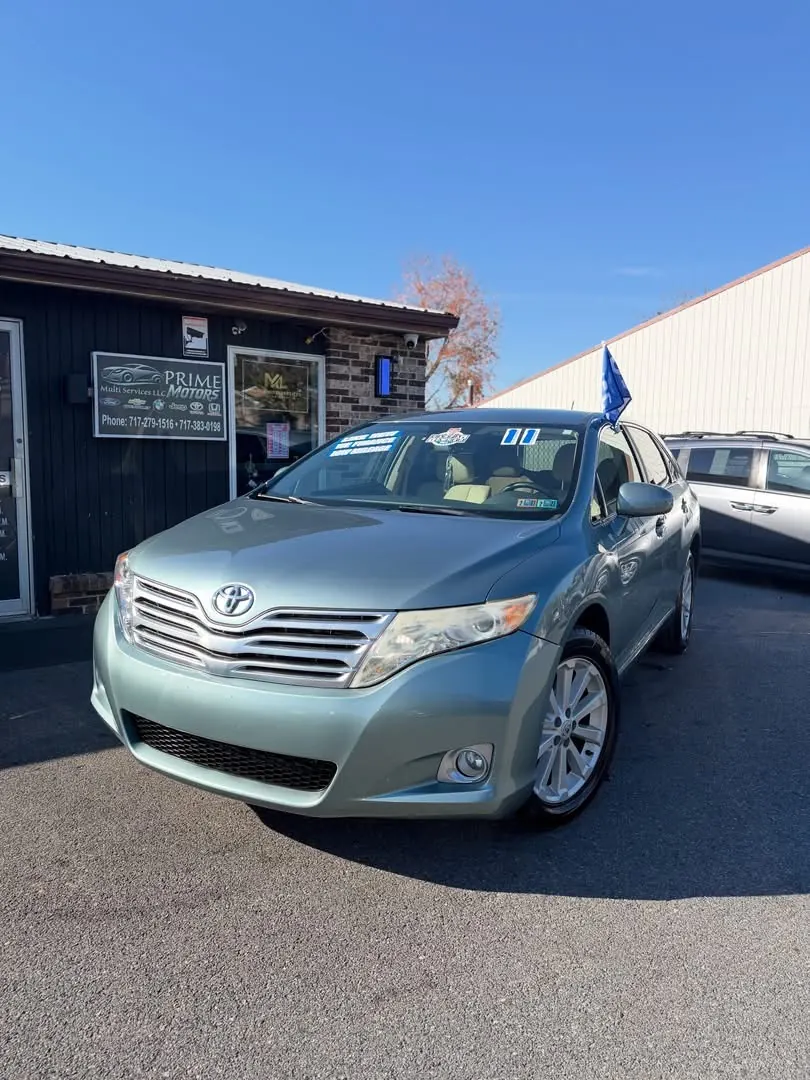
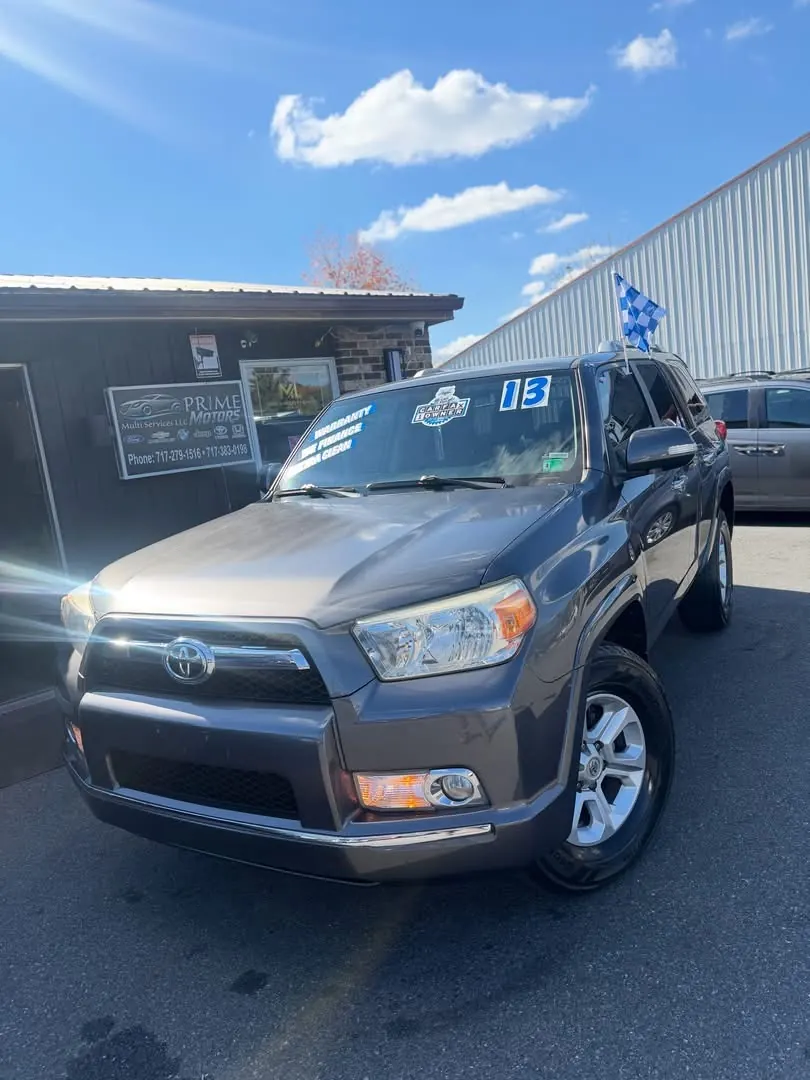
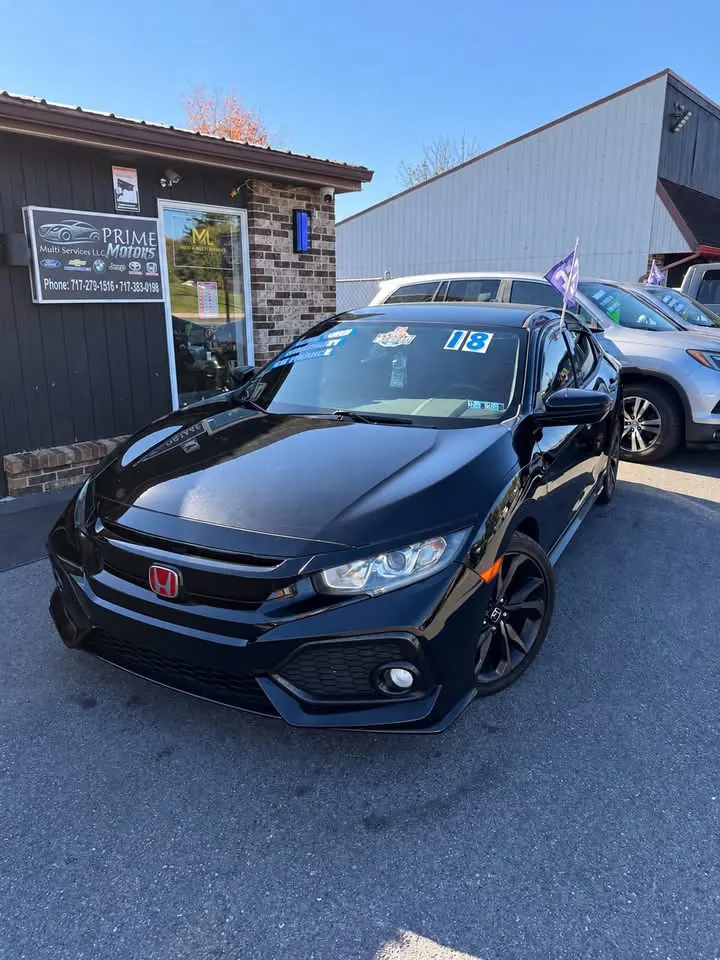
Depreciation is the single largest cost of car ownership in the first three years, and it is the main reason used usually wins the math in Pennsylvania. A new vehicle loses a large share of its value in the first three years of ownership — driven mostly by first-year depreciation of 15–25%. Buy that same vehicle three years old and you avoid that entire hit.
This math has always favored used. In 2026 it favors used a little less than it did in 2020 (used values did not fully retreat from the pandemic-era spike, and inventory constraints in 2022–2023 elevated the used-price baseline). The gap is smaller but still meaningful.
New vs. used APR: how financing differs
New car loans can carry lower APRs than used, particularly for well-qualified buyers, because manufacturers periodically offer promotional or subvented rates on specific models to move inventory. Those promotional rates are only available through the manufacturer's captive lender and only on qualifying new vehicles.
For buyers with challenged credit, the gap between new and used APRs is usually smaller because they rarely qualify for promotional new-car rates anyway. See our APR guide for how the rate math works over the life of the loan.
Insurance in Lebanon County
New cars cost more to insure because the vehicle itself is worth more — comprehensive and collision coverage costs more to replace or repair. Erie Insurance, State Farm, and Progressive dominate Central PA and quote broadly similar spreads.
Rough numbers for a Lebanon County driver, 35 years old, clean record, full coverage:
- A new SUV — usually costs more to insure.
- A 3-year-old equivalent — usually costs less to insure.
Difference: a lower premium every year, sustained for as long as you own the vehicle. See our auto insurance in Lebanon PA guide for how to shop.
Sales tax, doc fees, and PA-specific costs
Pennsylvania sales tax is 6% statewide, applied to the vehicle purchase price. Lebanon County has no additional local vehicle tax, so 6% is the total sales tax (unlike Allegheny County at 7% and Philadelphia at 8%). Both new and used purchases are taxed the same way — 6% on the difference after any trade-in credit.
Pennsylvania limits dealer doc fees (2026 maximum: $490 electronic, $409 non-electronic), and the fee must be posted on a sign in the dealership. Ask the selling dealer for the exact amount before you agree to anything.
PennDOT title and registration fees are the same for new and used: $72 title plus $48 per year registration (your first plate is included; transferring an existing plate costs $11). Safety and emissions inspection prices are set by each licensed station and posted at the shop; ask for the current price. Repairs are extra. Lebanon County is in PennDOT's South Central emissions region, so emissions testing generally applies.
Warranty and reliability
The biggest argument for new: full factory bumper-to-bumper warranty, typically 3 years/36,000 miles, with 5 years/60,000 miles on powertrain (Hyundai and Kia offer 10 years/100,000 on powertrain). No repair anxiety for the first several years.
Counter: a well-selected 3-year-old vehicle from a reliability-focused brand — Honda, Toyota, Mazda, Lexus — typically has 100,000+ trouble-free miles left in it. The value of the remaining warranty period on the new car is real, but it rarely justifies the full new-car premium.
The most useful reliability filter for used-car buyers in Central PA: pick brands that consistently show up in the top of Consumer Reports and J.D. Power dependability rankings — Toyota, Honda, Mazda, Lexus, Buick — and skip years/models with documented issues, which is where a CARFAX and forum research pays off.
Case study 1 — new mid-size sedan
A new mid-size sedan (illustrative scenario, no figures):
- Higher purchase price, so more sales tax at 6%.
- A larger loan for the same down payment and term, so a higher monthly payment.
- Higher insurance premiums.
- The steepest depreciation in years 1–3, concentrated in year 1.
- The highest three-year cost of ownership, with a resale value that has already dropped sharply.
Case study 2 — 3-year-old SUV or sedan
The same car, three years old (illustrative scenario, no figures):
- Lower purchase price, so less sales tax at 6%.
- A smaller loan for the same down payment and term, so a lower monthly payment.
- Lower insurance premiums.
- Much gentler depreciation in years 1–3 because the steepest drop already happened.
- A lower three-year cost of ownership and a resale value that holds up better.
Difference: used comes out well ahead over three years, on essentially the same vehicle with the same reliability profile.
When new makes sense
- You plan to keep the vehicle 10+ years and want to be its only owner.
- You need a specific configuration (color, trim, options) that is rare on the used market.
- The manufacturer is offering a promotional rate that offsets first-year depreciation.
- Peace of mind from full warranty coverage genuinely reduces stress you would otherwise carry every time the engine makes a new sound.
- You want the latest safety and driver-assist tech that only shipped on the last two model years.
When used wins
- You are on a budget or want a lower monthly payment.
- You are a reasonably good judge of car condition, or willing to pay for a pre-purchase inspection.
- You value flexibility to trade in 3–5 years without a steep first-year depreciation hit weighing you down.
- You want more car for the money — a used luxury or larger SUV vs. a new mainstream compact for the same money.
For most Central PA buyers, well-selected used at 2–4 years old wins the math and the ownership experience.
Fuel and maintenance — smaller line items but real
Two ownership costs that often go unmentioned in new-vs-used debates:
- Fuel efficiency: newer vehicles are usually slightly more efficient than 3–5 year old counterparts on gas, but the difference is smaller than most buyers assume. A 2026 Honda CR-V rated at 30 combined mpg vs. a 2022 CR-V at 29 combined mpg is a small difference in annual fuel cost — not a material deciding factor.
- Maintenance schedule: new cars need very little in years 1–3 (oil changes, cabin filter, brake pad check). Used cars in years 4–7 start needing bigger items: brake service, tires, sometimes a battery, and depending on model, a transmission service. Budget for scheduled maintenance on a 3–7 year old used vehicle in Central PA.
Neither is a category-killer. But when you build a five-year ownership budget honestly, factor these in.
The lease alternative — usually not competitive
Leasing a new vehicle is essentially prepaying the depreciation portion of ownership plus a rent charge (the money factor). For most Central PA buyers, leasing is not competitive with buying used:
- Lease payments are lower than purchase payments on the same new vehicle — but you own nothing at the end of the term.
- Mileage caps (typically 10,000–12,000/year) are a real constraint for Central PA commuters who drive to Harrisburg, Lancaster, or Reading regularly. Excess-mileage charges apply per mile at lease turn-in.
- End-of-lease excess-wear charges can be significant if the vehicle is not returned in near-showroom condition. Small dents, wheel curb rash, and interior wear all add up.
- You are locked into the vehicle for the lease term. Early termination fees are steep.
Lease makes sense in a narrow set of cases: business use with tax deductibility, buyers who genuinely want a new vehicle every 2–3 years, and manufacturer-subsidized lease deals on specific models. Everyone else is better off buying used.
Our take
For most Central PA buyers with a five-to-ten year ownership horizon and a monthly-payment ceiling, a 2–4 year old used vehicle from a reliability-focused brand — Honda, Toyota, Mazda, Lexus, Buick — is the winning move. You skip the worst of first-year depreciation, keep the payment reasonable, and still get most of the modern safety and infotainment features. New is the right call in a narrower set of cases than the industry marketing suggests. See related coverage in our CPO vs. used in PA comparison. Ready to shop? Pre-approve online or call (717) 673-1484.