Why the $20k mark matters right now
Twenty thousand dollars used to buy you a five-year-old SUV with 60,000 miles. In 2026 it buys you an eight-year-old one with 80,000 — and that's fine, as long as you pick the right model. The used-car market has finally settled from the 2021–2023 pandemic spike, wholesale auction prices are down 12–15% year over year, and reliable compact and midsize SUVs are landing back in a range where a working family in Lebanon can buy one without financing $30k over 72 months.
The difference between a $20k SUV that runs another 100,000 miles and one that eats $6,000 in repairs over 24 months is entirely about which model you chose. Trim, color, wheel size — none of that matters compared to picking a nameplate with a good long-term reliability record.
Central PA also has two specific requirements most national reviews miss: winter capability (Lebanon County gets 20–30 inches of snow a year, and the hills off I-81 and Route 322 get slick fast) and rust resistance (roads are salted heavily November through March). Every recommendation below accounts for both. These are the SUVs I recommend to Lebanon, Hershey, Palmyra, and Reading buyers who want a family hauler that will still be running when the kids leave for college.
Honda CR-V (2017–2020) — the safe default
The gold standard for a reason. Under $20k in 2026, you're typically shopping 2018–2020 EX or EX-L with 60,000–90,000 miles. The 1.5L turbo engine had a well-known oil dilution issue on 2017–early 2018 models in cold climates (which very much includes Central PA winters), largely resolved by mid-2018 with an ECU software update and a longer oil-change interval — verify the update was performed on any 2017–2018 you consider, either via a Honda dealer's service records or the recall status on Honda's owner site.
Real-world numbers: 28–31 MPG combined, class-leading rear-seat legroom (40+ inches), and one of the most reliable CVTs in the industry. AWD is available on every trim from 2017 forward and I'd take AWD in Central PA every time — the $800–$1,200 price premium at resale is worth it in December.
What to watch on a CR-V PPI
- Oil level between changes on 1.5T engines (should not rise as fuel dilutes it).
- A/C compressor — a known weak point on 2017–2018 units; a hard click when the A/C engages is a red flag.
- Rear tailgate struts — cheap fix but often overlooked.
The seats will still be comfortable at 150,000 miles. The paint holds up. Parts are stocked at every Honda dealer and every independent shop from Palmyra to Reading. This is why so many CR-Vs come and go through our lot — they're the safe answer.
Toyota RAV4 (2016–2019) — the belt-and-suspenders pick
If you'd rather have a conventional automatic transmission and a normally-aspirated engine, this is your SUV. The 2.5L four-cylinder in the 2016–2018 RAV4 is one of Toyota's most bulletproof engines. There's no turbo to worry about, no CVT to service, just a 6-speed automatic that has run cleanly for a decade.
AWD versions are common in PA (Toyota sold a huge percentage of RAV4s with AWD in the Northeast) and they hold value especially well because of our winters. Real-world MPG is 24–27 combined — a little worse than CR-V — and rear-seat room is a touch smaller. But reliability data from Consumer Reports, JD Power, and iSeeCars all put the RAV4 in the top three of its class year after year.
Around $20k in 2026 you're looking at a 2018 XLE AWD with 70,000–90,000 miles, or a 2019 LE AWD with slightly higher miles. Both are fine buys. Watch for the roof rack seals on 2016–2017 XLE trims (some cars developed a slow leak into the headliner) and confirm the 4WD system actually engages on a test drive — Toyota's AWD is on-demand and mostly transparent, but you should feel it grab on gravel or wet pavement.
Mazda CX-5 (2017–2020) — the driver's pick
The value pick and honestly the best-driving of the three. The 2.5L in the CX-5 is smoother than the RAV4's, the interior looks and feels a full class above the CR-V's, and Mazda's paint (Soul Red Crystal especially) still turns heads five years in. Reliability is comparable to Toyota — Consumer Reports has put the CX-5 in its "recommended" tier every year since 2015.
The trade-off: rear seat is slightly tighter, cargo volume is smaller (30.9 cu ft vs the CR-V's 39.2), and the base 2.5L can feel underpowered fully loaded on the long I-81 grades north of Lebanon. If you climb Blue Mountain regularly or tow anything, look for the Turbo trim (2019+) — but expect to pay a $2k–$3k premium for it.
Around $20k gets you a 2018–2019 Touring AWD with 60,000–85,000 miles. If you can find a Signature or Grand Touring at that price, it's a steal — you get real leather, heated and ventilated seats, a proper Bose stereo, and the same drivetrain as the base model. Mazda's iActiv AWD is genuinely good in snow.
Subaru Forester (2017–2019) — the Central PA winter pick
Standard AWD, real ground clearance (8.7 inches), and a boxer engine layout that keeps weight low and traction predictable — the Forester is the SUV I recommend most often to buyers who commute up Blue Mountain or live on a rural road that doesn't get plowed first. Between 2017 and 2019 you're looking at the fourth-generation Forester with the 2.5L naturally-aspirated boxer and a CVT.
Reliability caveat: on 2011–2014 models, the FB25 engine had well-documented oil consumption issues and occasional head-gasket failures. Subaru extended warranty coverage on many of these, but by 2015–2016 the engine was largely sorted, and 2017–2019 models have been solid. Any Forester you consider — get a compression test as part of the PPI, and check for oil consumption between changes.
Real-world MPG is 26–28 combined (a hair behind CR-V), cargo room is competitive with the RAV4, and outward visibility is the best of any SUV in this class. Around $20k lands you a 2018 Premium or Limited with 60,000–85,000 miles. Two Foresters in that range have taken Lebanon customers of ours past 180,000 miles on original transmissions.
Honda Pilot (2015–2017) — when you need a third row
Need a third row? The Pilot is where the CR-V's reliability scales up. A 2016–2017 EX-L with the 3.5L V6 will run 250,000 miles with basic maintenance. It burns a bit more gas (18–22 combined) but you're getting a real family hauler that seats eight, tows 5,000 pounds, and holds three car seats across the second row.
Under $20k you're mostly seeing 2015–2017 models with 100,000–130,000 miles, but this is the rare model where six-figure miles don't scare us. Watch the timing belt interval (60,000 or 105,000 miles depending on year — check the maintenance history). Watch the transmission fluid — a fluid-and-filter service every 30,000 miles keeps the 6-speed happy; skipping it is the number-one cause of Pilot transmission failure.
If you specifically need a third row that adults can survive for more than 20 minutes, look at the Toyota Highlander or the newer Highlander XSE models — but expect to pay $23k–$28k for a comparable-mile Highlander vs $18k–$20k for the Pilot.
Ford Escape (2017–2019) — the value pick
If you want an SUV, not a status statement, the Escape is $2k–$4k cheaper than the Honda/Toyota for equivalent age and miles. The 1.5L EcoBoost had known head-gasket issues on 2014–2018 models — verify service history and any recall work (Ford issued a customer satisfaction program for coolant intrusion). The 2.0L EcoBoost is stronger, mostly trouble-free, and the one I recommend if you can find it.
AWD versions handle Central PA winters well, though the Escape's AWD system is more reactive than proactive — it slips first, then grabs. Around $17k–$19k you're getting a 2018 Titanium or SE 4WD with 55,000–80,000 miles. Not the resale champion, but a lot of car for the money, and Ford dealer parts availability across Central PA is excellent (there are three Ford dealers within a 25-mile radius of Lebanon).
What to skip in this price range
Not every $20k SUV is worth having. In Central PA specifically, I steer buyers away from:
- Jeep Cherokee (2014–2019) — the 9-speed transmission has been problematic, and repair bills add up fast.
- Nissan Rogue (2014–2020) — the CVT reliability record is the worst in the class; a new CVT is $4,500 installed.
- Chevy Equinox (any year) with the 2.4L — well-documented oil consumption and timing chain issues; the 1.5T is better but still not a first choice.
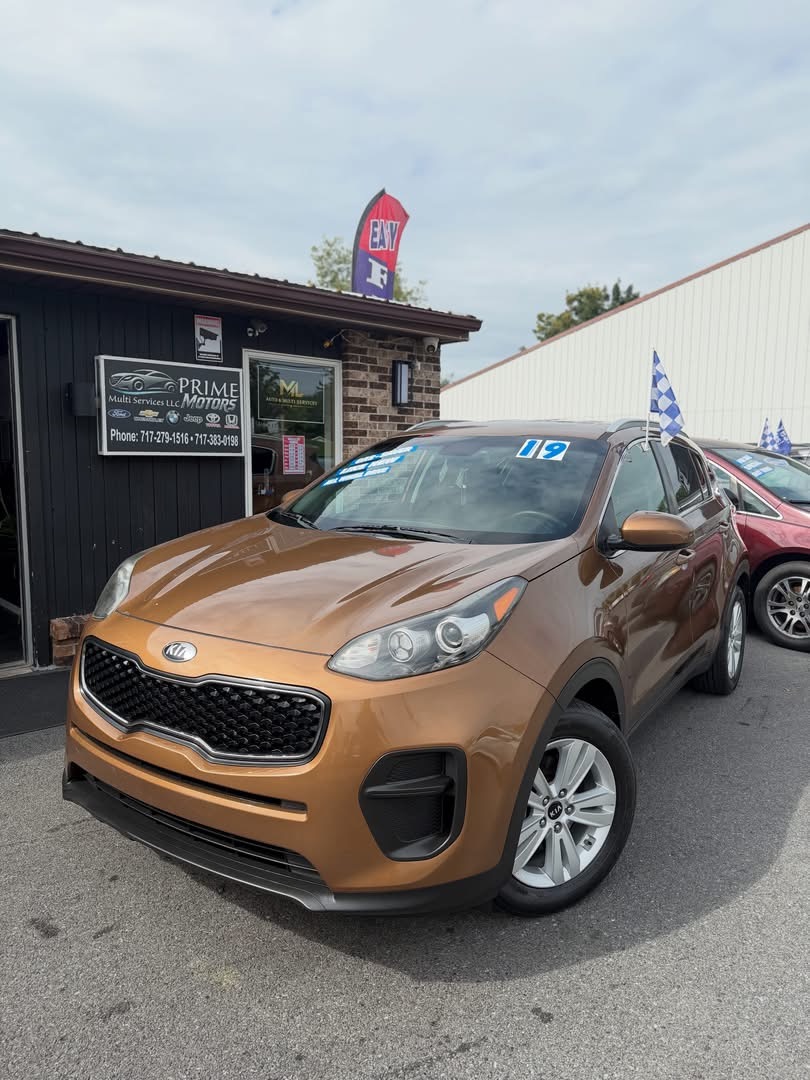
- Hyundai Tucson / Kia Sportage (2011–2018) with the 2.0T — the Theta II engine had a long recall history for bearing failure.
- Anything with a rebuilt or salvage title — resale is destroyed and full-coverage insurance can be hard to write.
The best SUV for you in Central PA is the one that's still running in year seven without a $3,000 surprise. Boring is a feature.
What we currently have on the lot
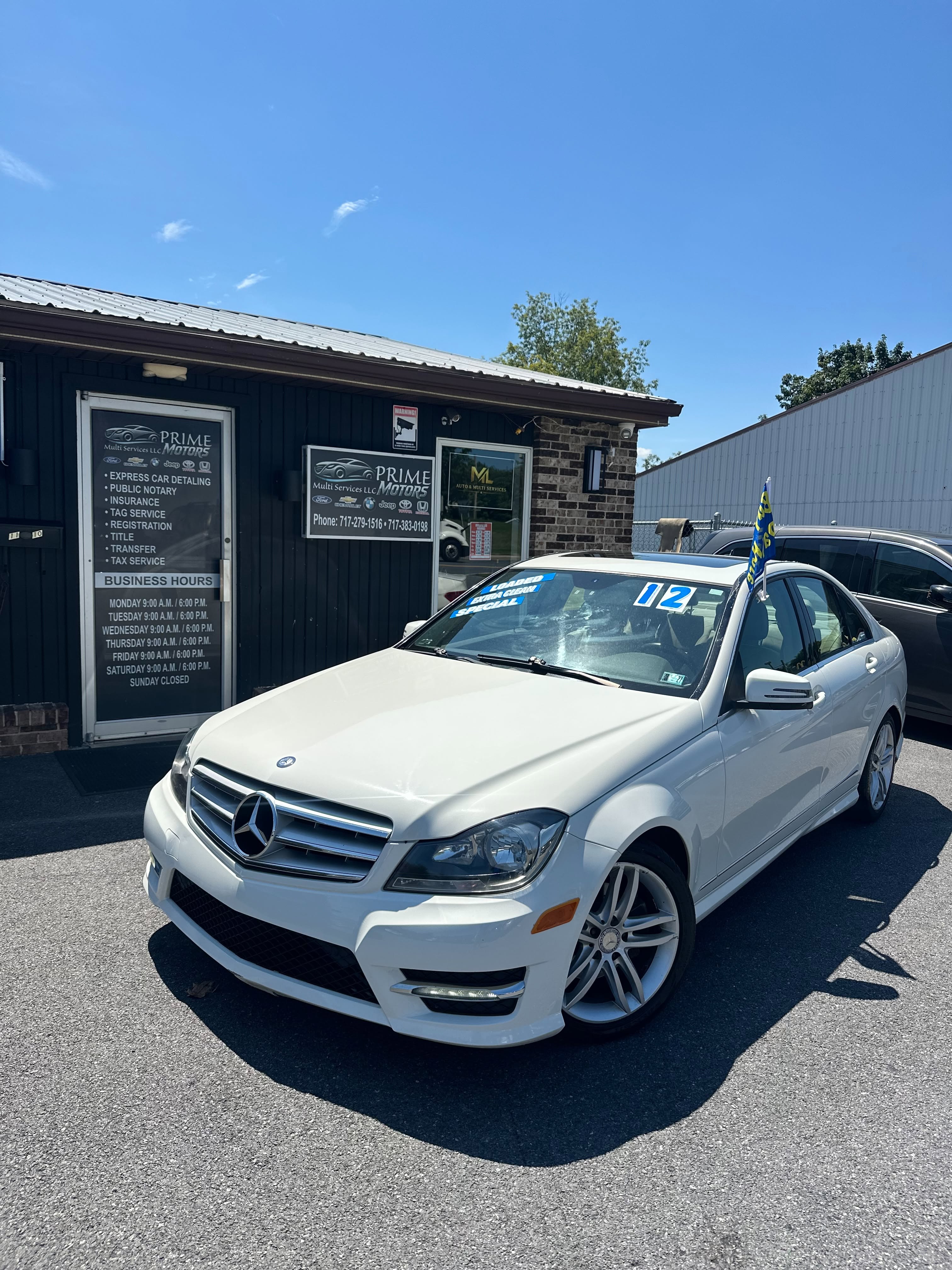
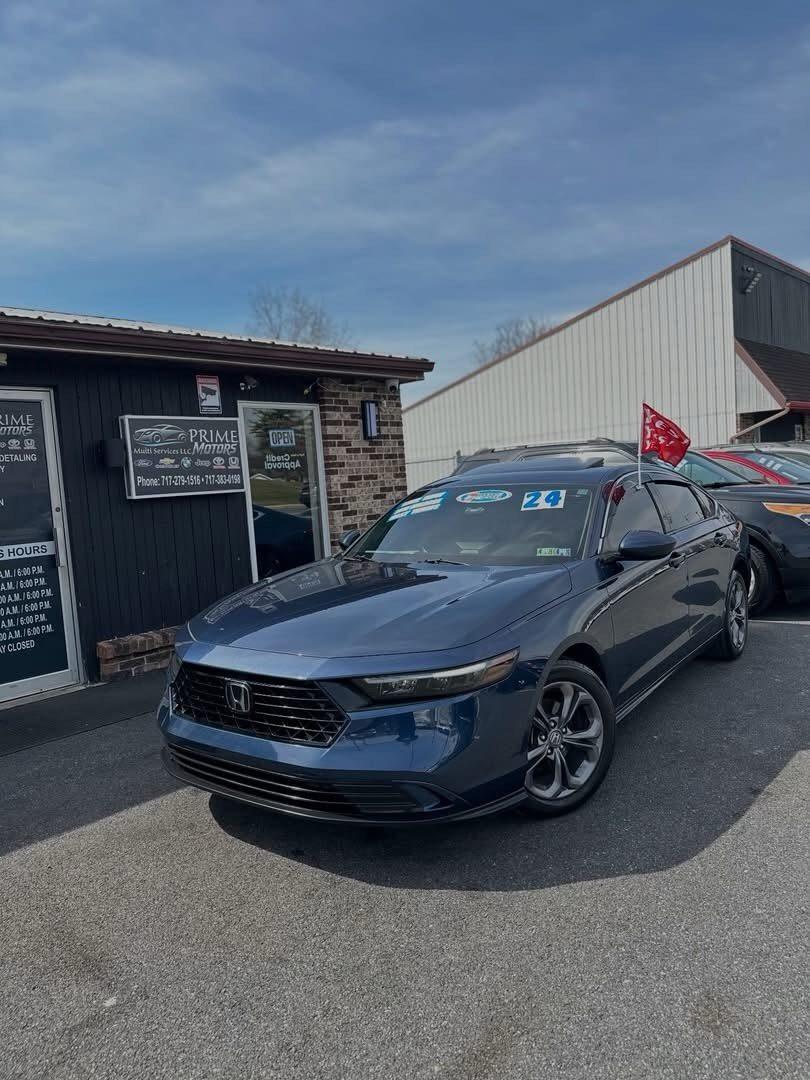
Our inventory turns fast — check the current inventory or call for a heads-up when the right one comes in. Most of what we bring in falls in the 2017–2022 range with 40,000–90,000 miles, biased toward the Honda, Toyota, Mazda, and Subaru nameplates above. Every vehicle is inspected and CARFAX-verified before it hits the lot, and financing is available for every credit situation — see our financing options or apply in five minutes.
Call or text (717) 673-1484 if you want us to text you when a specific model arrives. We keep a short-list of buyers waiting on particular models and reach out when a match comes through the auction lane.